

Pichomel
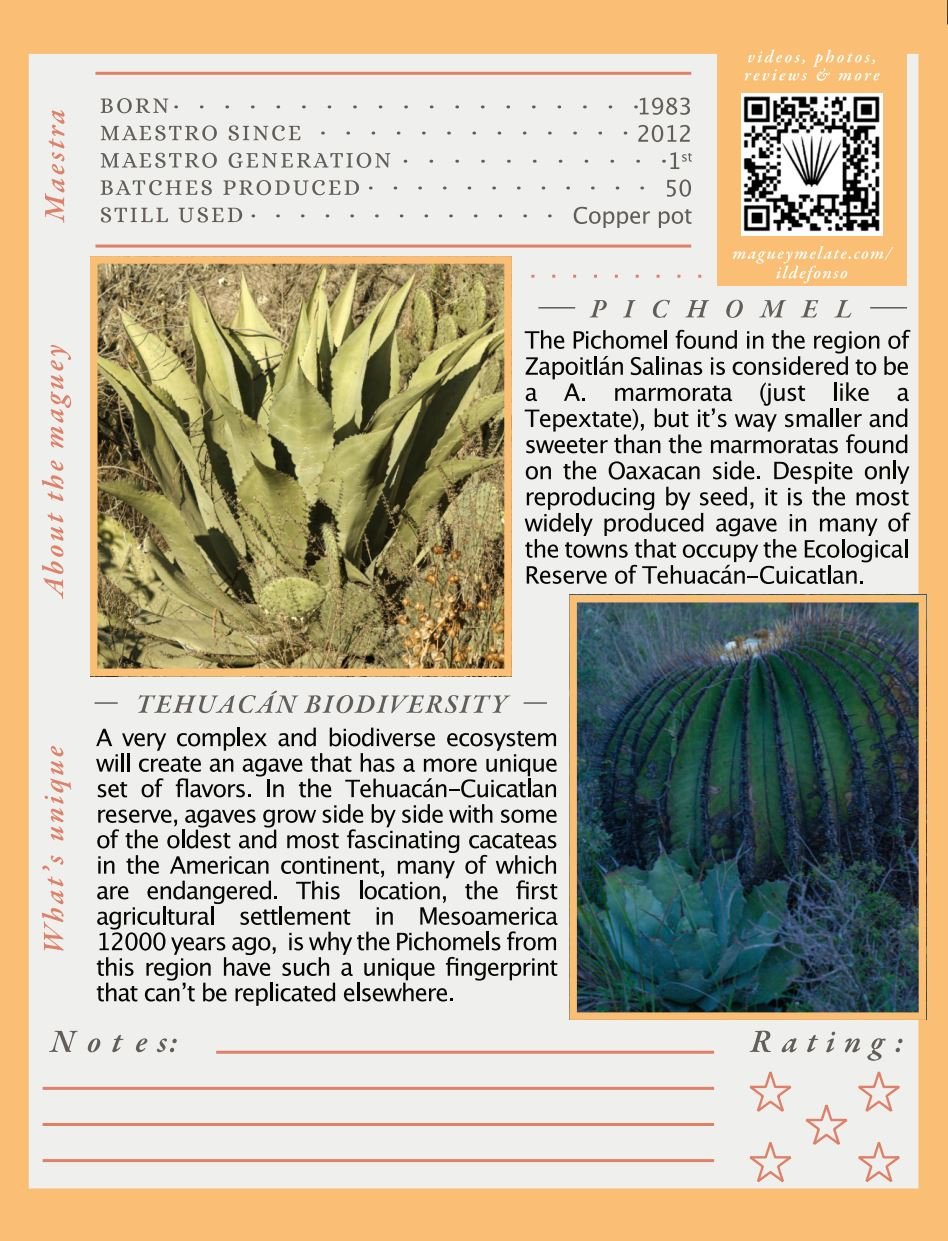
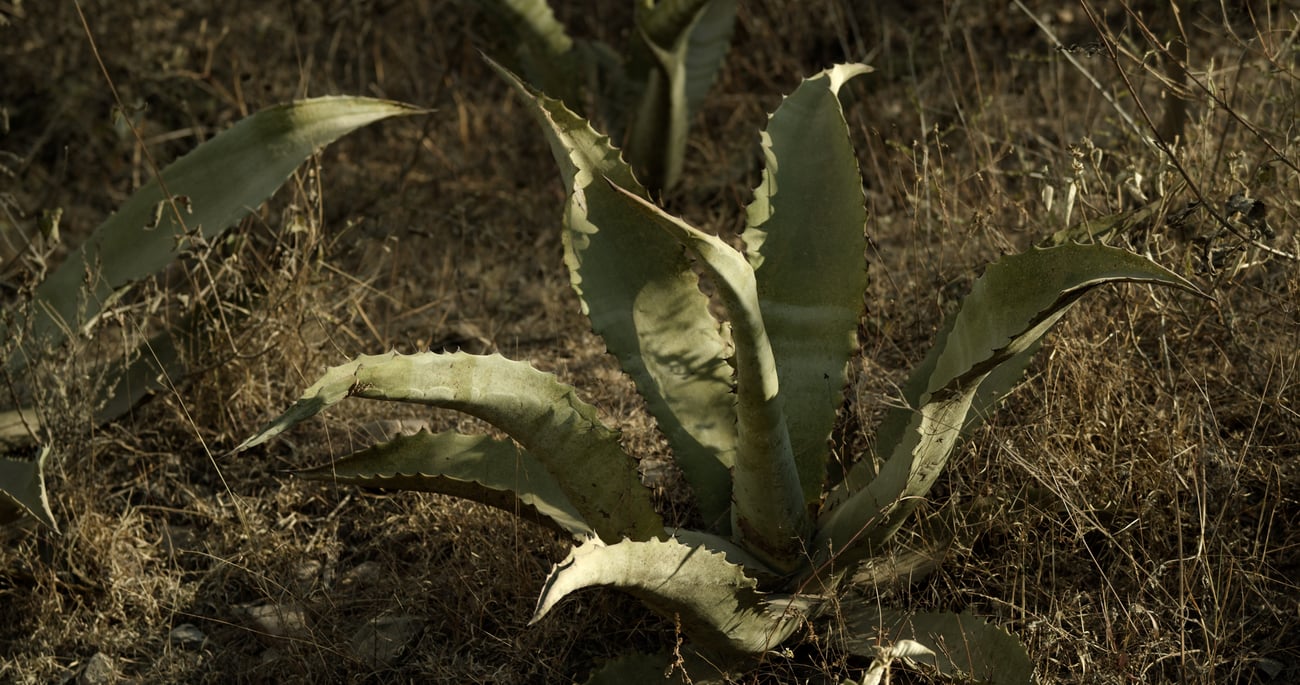
The miniature A. marmorata
Hey, it’s me, Chava Peribán, again.
Just because we didn’t receive any serious complaints about our last newsletter, I was tasked to write this month’s origin story as well. So here we go!
For the last months I’ve been thinking on how to properly explain agave spirits. You can focus on the people, territory, agaves, flavors, and/or technologies. But telling the full story is a bit of an impossibility (unless you get the chance and budget to make a full-feature film), yet you can try to explore the most relevant bits and pieces related to each expression.
The Bioreserve
Using this approach to discuss our March feature, I wanted to start by addressing the “Cuicatlán-Tehuacán Bioreserve”. Even before experiencing this place in the flesh, I had heard about this region in stories that were infused with mystery and excessive lore. People talked about the pink marble, the mountain salt-mine with bright green waters, the decades old cacti, and the delicious worm-tacos. Like if some Midas-like meteorite had hit these land, converting all of its resources in pure gold.
It took me a few years to find a reasonable excuse to visit, but once I was there, it was love at first sight (and sip!). The stories I had heard couldn’t even grasp the beauty I had in front of me. Nobody had talked about the delicious pulque, the very diverse mezcal, or the freshly cooked Cacayas (Jabalí quiote flowers prepared with eggs).
Novel agaves
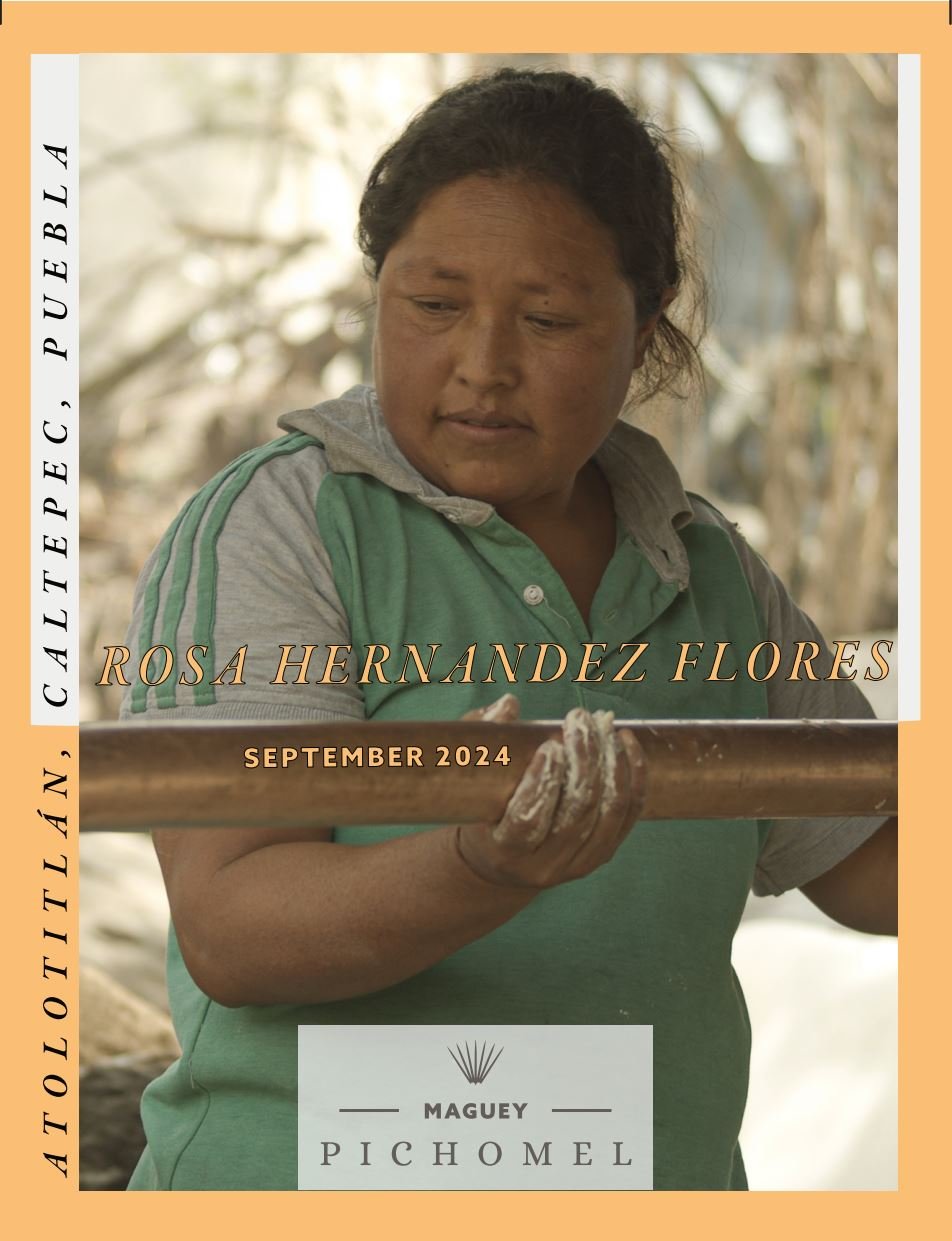
Finding the right people in a place makes a significant difference, especially for us city-kids with untrained eyes incapable of discerning bad weed from medicinal plants; exceptional agave from a pest-compromised piña. We had some initial leads to follow, but as it always happens in these mezcal trips, many maestros were not home, some others were unreachable, and while lost and thirsty, we finally were received by Rosa Hernández and her husband Ildefonso Macedas.
They generously offered us a quick lunch and a vast amount of mezcal to sample. Some expressions had recognizable names, like Jabalí, Espadilla or Papalometl; but others were completely unknown to us, like Pichomel or Candelillo. Happily, they were all delicious, to the point that we ended up featuring Ildefonso’s Jabalí, which came at a whooping 56.8% ABV (has anyone found something like that again!?).
Privately, we purchased quite a bit of their spirits to share with family, friends, and fellow nerds. Through this informal process of sharing, I kept having people react very positively to the Pichomel, which, in my mind, is the flagship agave in this region. People with very advanced palates, like Matthias Ingelmann (former Kol’s beverage director) and my dear mother; but also random people who had never tried mezcal before, kept on noticing and celebrating this expression.
Representing Pichomel
We released a Pichomel made by Noel Negrellos Ortega in January of 2023 and, at the time, we thought that it could be the next “fashionable” agave. We were sure that more than one brand would see Pichomel’s potential. Who wouldn’t go crazy for a miniature A. marmorata hiding in the middle of a pristine bioreserve!? Fast forward to 2025, and the only two brands to have ever released this agave in the US are our friends at 5 Sentidos (coming from Los Reyes Metzontla) and Maguey Melate. We think this is highly unfair. Such a wonderful agave needs more representation. People must know its wide range and how different hands and spaces can transform the Pichomel. So we went on a mission to find something worthy of being bottled and stumbled upon this batch made by Rosa.
The Maestra
Rosa comes from Los Reyes Metzontla (yep, the same town from where 5 Sentidos sources their mezcal), a town that makes very little mezcal but has become famous for its soft and slick clay pieces. She learned the mezcal craft after marrying Ildefonso, and since then, she’s mastered every part of the process with the exception of cutting the agave. The family palenque is directly connected to her house, she can spy on the alembics and fermentation tanks from every corner, and the aromas of cooked agave are a permanent scent during the production season. Ildefonso and Rosa see themselves as a team, working towards what they think is the best mezcal in the region.
We hope that this release brings more enthusiasm towards the spirits produced in the “Cuicatlán-Tehuacán Bioreserve” and that the producers nested between these mountains can share their spirits with the world shortly. In the meantime, during this month’s social media posts, our objective will be to tell Rosa’s story. We believe her personality is very present in this expression and that she may be one day as celebrated as Berta Vásquez or Graciela Ángeles.
Want to know more about this feature?
Follow along throughout the month on facebook or instagram to get all the videos, fun facts, and conversations about this month’s feature. Some topics to look forward to include:
- Details on Pichomel and some theories on why it hasn’t been labeled as a different species of varietal.
- More and more about this region that has everything you can dream for. Mezcal, food, nature, etc.
- Rosa’s experience working with agave and how her experience with clay has such a strong influence on how she approaches mezcal-making.
Quotes of the Month
“Pichomel is the most medicinal agave.
All the others are good, but just for drinking “
~ Rosa Hernández Flores

CRAFTSMANSHIP TRADITION SUSTAINABILITY


